 Precision agriculture
Precision agriculture
Detect what the eye cannot see.
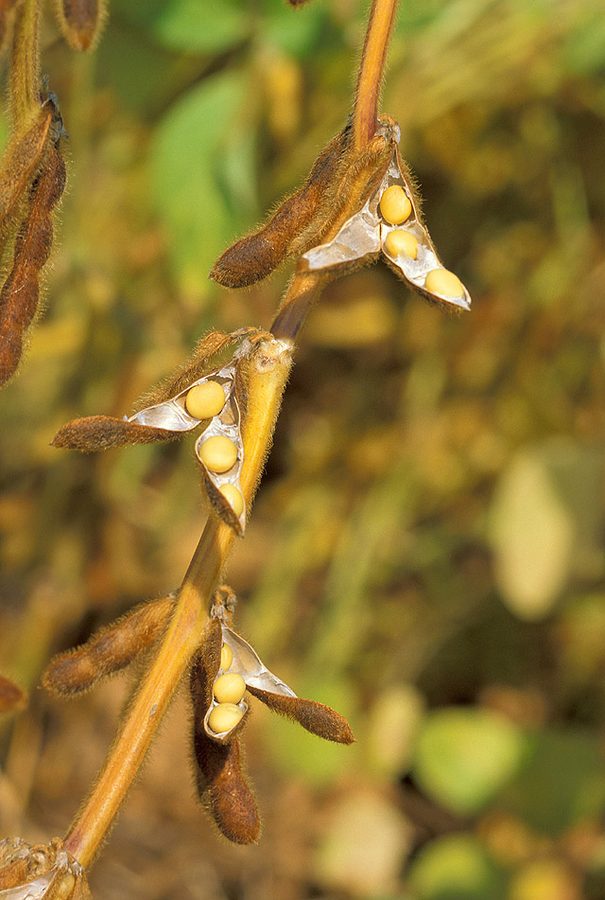
Healthy vs. stressed canopy reflectance, red edge ~700-740 nm
Real index
NDVI = (NIR - Red) / (NIR + Red)
Chlorophyll strongly reflects near-infrared light and absorbs red light in healthy canopy; the ratio shifts under stress, which is what a vegetation index like NDVI measures.
Sources
Index & spectral behaviour: NASA Earthdata - Normalized Difference Vegetation Index (NDVI)
 Food processing
Food processing
Turn spectral differences into quality decisions.
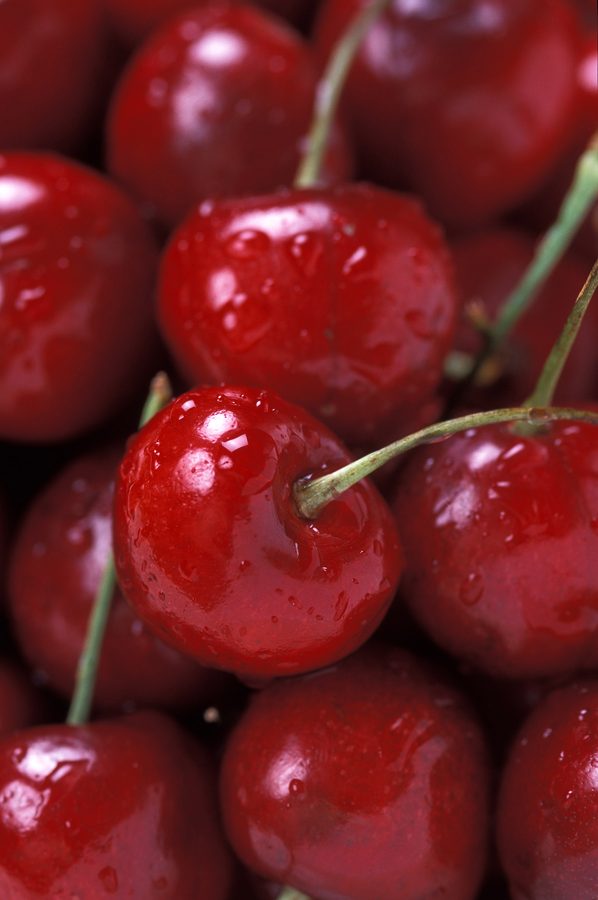
NIR reflectance, sweet cherry, water & sugar bands ~970/1200/1450 nm
Real index
Predicted Brix (sugar) & firmness
A published near-infrared model on sweet cherries predicted sugar content to within 0.7 °Brix and firmness with r=0.80, from 800-1700 nm reflectance alone.
 Geology
Geology
Reveal material differences beyond visible appearance.
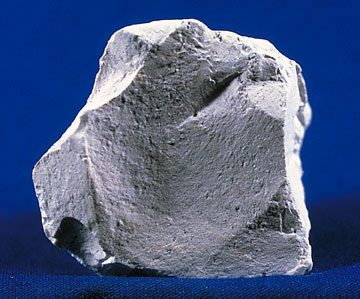
Kaolinite reflectance, Al-OH doublets ~1400 nm and 2160-2208 nm
Real method
Spectral matching to a reference library
Kaolinite's paired absorption features near 1400 nm and 2160-2208 nm are its diagnostic "fingerprint", letting it be told apart from other clays by spectral shape, not colour.
Sources
Spectral features: USGS Digital Spectral Library (Clark et al.)
 Health care
Health care
Transform spectral information into interpretable results.
Tissue/sample absorbance (900-1300 nm), water & lipid bands ~970/1210 nm
Real method
Water & lipid composition mapping
Within the 900-1300 nm window, water (~970 nm) and lipid (~1210 nm, the more clearly visible of the two) absorption bands let a sample's composition be characterized and classified without contact or preparation.